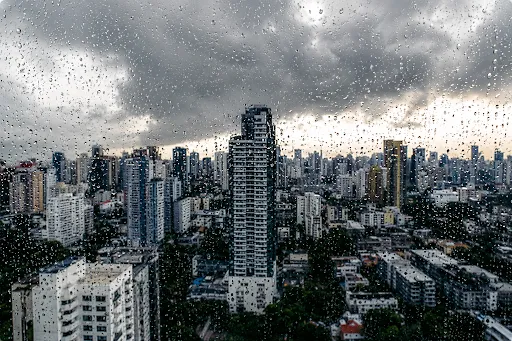
The monsoon brings welcome relief from the summer heat, along with cool weather, lush greenery, and refreshing rain. However, heavy rainfall, high humidity, and strong winds can create several challenges for apartment residents, including water leakage, damp walls, mould growth, waterlogging, electrical problems, plumbing issues, and damage to furniture and other belongings.
The good news is that most monsoon-related apartment damage can be prevented with early preparation and regular maintenance. Small issues such as a minor ceiling leak, blocked balcony drain, wall crack, or poorly sealed window can become costly problems if they are ignored until the rains become heavy.
Maintaining your apartment before the monsoon is therefore much easier and more effective than dealing with repairs during the rainy season. Checking leaks and drainage systems to protect electrical points, furniture, doors, and windows, a practical monsoon maintenance checklist for apartments can help protect your property, reduce unexpected repair costs, and maintain a safe and comfortable living environment. The following tips will help you prepare your apartment before and throughout the monsoon season.
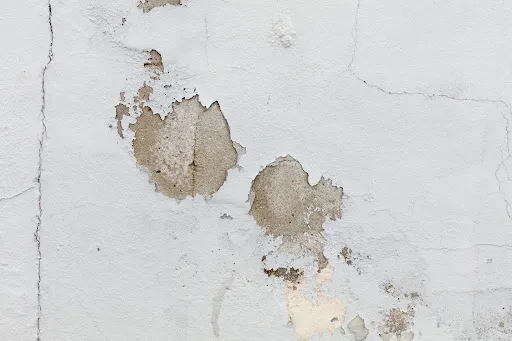
Inspect ceilings, walls, balconies, and other areas where moisture enters before heavy rainfall. Look for damp patches, peeling paint, discoloration, or visible cracks, as small defects can allow water to seep into the structure. If you notice recurring leakage, identify and repair the underlying source instead of simply covering the affected area with paint.
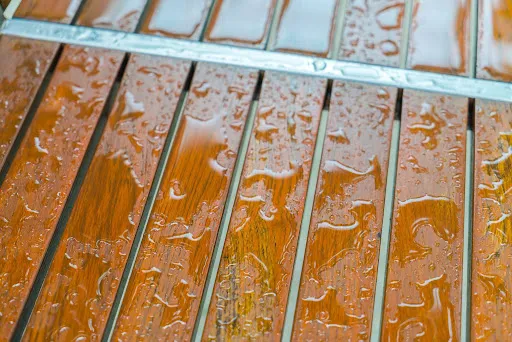
Terraces and roofs receive direct exposure to rain, making them common points for water seepage. Check for cracks, damaged waterproofing, standing water, and blocked rainwater outlets before the monsoon becomes heavy. Proper drainage and timely waterproofing repairs can help prevent water from reaching ceilings and interior walls.
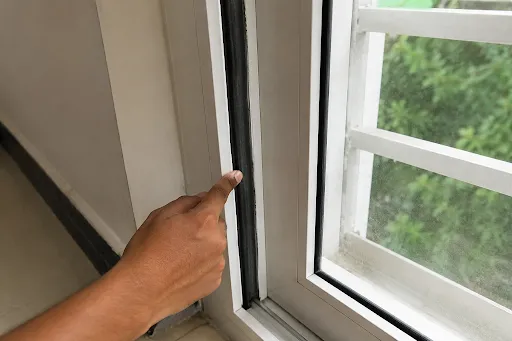
Examine window frames, door edges, seals, and joints for openings through which rainwater can enter. Repair damaged seals or gaps before heavy rain and strong winds. Wooden doors can also become difficult to operate when exposed to high moisture, so check their condition and make necessary adjustments early.
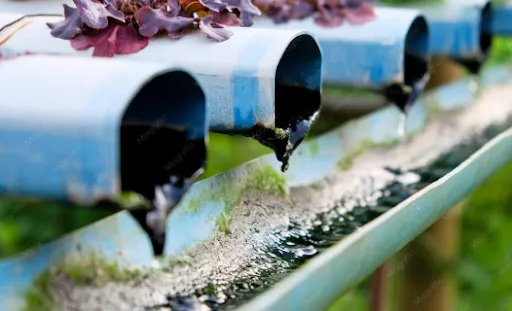
Blocked drainage is one of the most common causes of water accumulation during heavy rain. Clear leaves, dirt, and other debris from balcony drains, terrace outlets, gutters, and rainwater pipes so that water can flow freely. Apartment residents should also report blockages in shared drainage systems to the association or maintenance team before causing waterlogging or seepage.
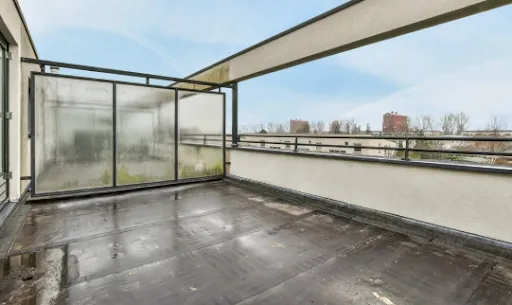
Balconies are exposed to rain and can develop seepage when waterproofing, drainage slopes, grout, or joints deteriorate. Check the balcony floor, wall junctions, drain outlets, and surrounding areas for cracks or water accumulation. Repair damaged waterproofing and make sure the drain remains unobstructed so rainwater does not remain on the surface.
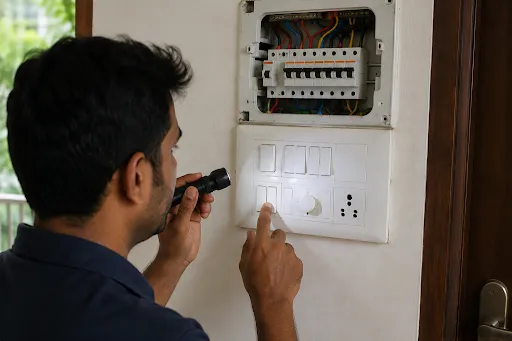
Moisture and electricity can create serious safety risks during the monsoon. Check switches, sockets, wiring, and other electrical points for signs of damage, water exposure, or loose connections. Avoid using electrical equipment near wet surfaces and have suspected faults inspected by a qualified electrician rather than attempting repairs yourself.

High humidity can produce mold and fungal growth in poorly ventilated rooms, kitchens, bathrooms, and closed storage spaces. Keep air circulating through the apartment whenever weather conditions allow, and use exhaust fans in moisture-prone areas. Wipe condensation and dry damp surfaces promptly to prevent moisture from remaining on walls and interiors.

Excess moisture can cause wooden furniture to swell or warp and can contribute to mold and mildew on upholstery and other materials. Keep furniture slightly away from damp walls to improve airflow, and avoid leaving moisture on floors for extended periods. During brief periods of dry weather, allow cupboards and other enclosed storage spaces to air out properly.
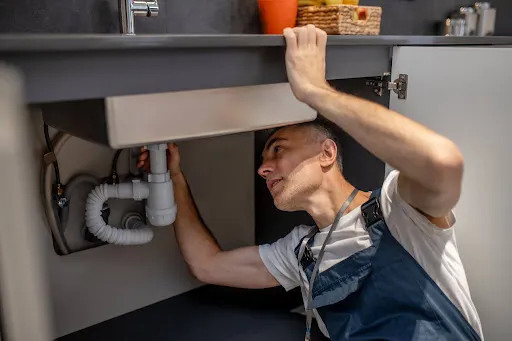
Check visible plumbing connections, taps, pipes, bathroom fittings, and areas around sinks for signs of leakage or persistent moisture. A small plumbing leak can become more troublesome when combined with heavy rainfall and high humidity. Address unusual dampness or recurring leaks early and involve the apartment maintenance team or a qualified plumber when the source is difficult to identify.

Rainy conditions and standing water can create favorable conditions for mosquitoes and other pests. Keep drains and surrounding areas clean, prevent water from collecting in containers, and use suitable screens or mosquito nets where necessary. Regularly inspect damp and less-ventilated corners because moisture can also contribute to mold and pest-related problems.
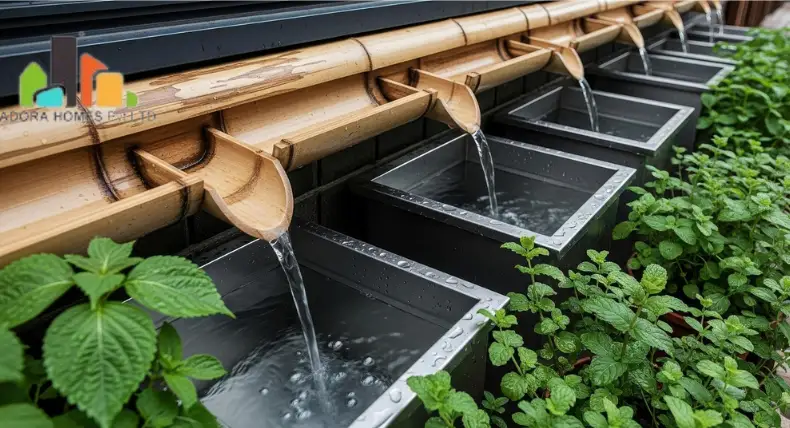
Rainwater harvesting is a practical way for apartment communities to conserve water during the monsoon. Rooftop rainwater can be collected through gutters and pipes, filtered, and either stored for suitable non-potable uses or directed to recharge structures that help replenish groundwater. For apartment communities, a properly maintained system can reduce dependence on municipal or tanker water while also helping manage rainwater runoff and support long-term water conservation.
Learn More: What is Rainwater Harvesting, and Why Is It Important for Apartments?
Monsoon maintenance requires regular inspections, proper waterproofing, clear drainage, and attention to electrical and plumbing systems. Preparing your apartment before heavy rainfall can help prevent leaks, moisture damage, flooding, and other common monsoon-related problems while maintaining a safe and comfortable living environment.
At Adora Homes, we focus on creating quality homes designed for comfortable and secure living. Our Apartments in Thrissur are thoughtfully planned with quality construction and features suited to modern family needs. we aim to provide homes where residents can enjoy greater comfort and peace of mind during the monsoon.

Understanding RERA Before Buying Property For Home Buyers.

How to Finance Your Luxury Apartment Purchase in 2026?

How AI Is Used in Real Estate Today
Rainwater Harvesting for Apartments: Benefits, Methods, & Implementation Guide