Buying a villa is a significant decision that involves more than choosing a property within your budget. It means finding a home that supports your family's lifestyle, offers everyday convenience, and meets your long-term expectations. Thrissur, widely known as the cultural capital of Kerala, has become an attractive residential destination for homebuyers and property investors. Its rich cultural heritage, established neighbourhoods, educational institutions, healthcare facilities, and developing infrastructure make it an appealing place to consider purchasing a home.
With different residential projects and villa options available across the city, selecting the right property requires careful research. Whether you are a first-time homebuyer, a local investor, or an NRI planning to own a home in Kerala, it is important to evaluate factors such as location, builder reputation, construction quality, legal approvals, pricing, and future property value. Buyers should also understand the differences between ready-to-move-in and under-construction villas before making a commitment.
In this guide, we will cover the essential factors to consider before buying a villa in Thrissur, helping you assess your options, avoid common property-buying mistakes, and make a well-informed decision for your family's future.
Buying a villa requires careful planning, from setting your budget to evaluating the property and verifying its documents. Follow these steps to compare available options and make an informed decision.
Start by determining how much you can comfortably spend on a villa. Consider your savings, monthly income, existing financial commitments, and home loan eligibility before shortlisting properties. Do not calculate your budget based on the villa's purchase price alone.
Additional expenses may include:
If you plan to finance the purchase through a home loan, compare interest rates, repayment periods, processing fees, and eligibility requirements across lenders. NRIs should also explore home loan options available to overseas Indians and understand the applicable documentation and repayment rules.
A well-planned budget helps you avoid financial pressure and focus on villas that match your requirements.
Location plays an important role in determining your everyday convenience, lifestyle, and the property's future resale potential. Before choosing a villa, evaluate its neighborhood and connectivity to essential facilities.
Consider the following factors:
You should also visit the location at different times of the day to understand traffic conditions, accessibility, and the neighbourhood environment. Do not select a property based only on its advertised location or proximity claims.
The builder's experience, project history, and construction practices can influence the quality of your home and the overall buying experience. Before selecting a property, research the builders in Thrissur and compare their completed and ongoing projects.
Here are some important points to evaluate:
A builder who provides clear project information and documentation makes it easier for buyers to evaluate a property. You can also compare Adora Homes projects based on their location, layouts, specifications, and available amenities before making a decision.
A villa should meet your family's present requirements while providing enough flexibility for future needs. Look beyond the exterior design and evaluate the actual layout, usable space, and construction specifications.
Check the following details:
If you are considering a gated community, examine the amenities included in the project. These may include a clubhouse, gymnasium, swimming pool, landscaped gardens, children's play areas, and security arrangements. Confirm which facilities are actually provided and whether they involve additional maintenance charges.
Choose a layout and amenities that suit your family's lifestyle rather than paying extra for facilities you may rarely use.
Gated community villas can offer shared facilities, managed common spaces, and organised residential surroundings. They may be suitable for families who prefer a community environment along with the privacy of independent homes.
Before choosing one, consider:
Some families prefer smaller villa communities because they offer a more private residential setting, while others may prefer larger developments with more shared amenities. Consider the community's size, layout, and management arrangements before deciding.
Construction quality directly affects the durability, safety, and maintenance requirements of a villa. Do not rely only on brochures, sample houses, or exterior photographs. If possible, visit the completed property or arrange an independent technical inspection before finalising your purchase.
Pay attention to:
In Kerala, it is also important to assess the land level and drainage arrangements. Ask about the property's flood history, surrounding water flow, and measures taken to manage heavy monsoon rainfall. Check the source of water, year-round availability, and any backup arrangements. You should also verify the electricity connection, sanctioned load, and power backup provisions, particularly for common facilities.
An independent engineer or qualified technical professional can help identify construction issues that may not be immediately visible during a regular site visit.
Legal verification is one of the most important stages of buying a villa. Before paying an advance or signing the sale agreement, ensure that the land ownership, building permissions, and other applicable approvals are in order.
Important documents and checks include:
The documents required may vary depending on whether the villa is ready to occupy or under construction. Have a qualified property lawyer independently examine the documents and confirm that the property has no unresolved ownership disputes or encumbrances.
Villa ownership involves expenses beyond the initial purchase. If you are buying in a gated community, you may need to contribute towards maintaining shared facilities and common areas.
Ask the builder or residents' association about:
For independent villas, also estimate the cost of maintaining the building, plumbing, electrical systems, garden, and outdoor spaces. Understand the maintenance agreement and any applicable warranties or defect liability provisions before taking possession.
If you are purchasing a villa as an investment, consider its potential for property appreciation, resale demand, and rental income. A property's future value can be influenced by its location, construction quality, surrounding infrastructure, and demand for residential properties.
Evaluate these factors:
Compare similar properties in the area instead of relying only on projected appreciation figures. Future infrastructure projects may improve accessibility, but verify official development information before considering it in your investment decision.
Before completing a villa purchase, examine the relevant legal documents and approvals with the help of a qualified property lawyer. These checks help establish ownership, confirm applicable permissions, and identify potential legal issues.
Check whether the villa project requires registration under the Real Estate (Regulation and Development) Act, 2016. If applicable, verify its registration details through the Kerala Real Estate Regulatory Authority (K-RERA) website. Review the project's declared details, approvals, and other available information.
Read this source: Understanding RERA Before Buying Property for Home Buyers
Verify the building permit and approved building plan issued by the relevant local authority, such as the municipality or panchayat. Check whether the construction follows the approved plan and applicable local building regulations.
Examine the title deed to establish the seller's legal ownership and the property's ownership history. A property lawyer can review previous title documents, identify potential ownership disputes, and check whether the seller has the legal right to transfer the property.
Confirm that the villa complies with applicable Kerala building rules, local development regulations, and approved construction plans. Check relevant requirements concerning setbacks, access, drainage, and other building specifications.
For completed properties, verify the applicable completion and occupancy certificates issued by the competent local authority. These documents help establish whether the construction has been completed in accordance with the applicable requirements and whether the building is permitted to be occupied.
Check whether the project requires NOCs from relevant departments or authorities. Depending on the property and its location, these may relate to fire safety, environmental requirements, access, or other statutory clearances.
Review the latest property tax receipts and confirm whether applicable taxes have been paid. Check the property details and ownership information recorded with the local authority.
A ready-to-move-in villa and flats in Thrissur allow buyers to inspect the completed property before taking possession, rather than relying entirely on construction plans and estimated completion dates. However, buyers should still verify the property's condition, legal approvals, utility connections, and actual amenities before completing the purchase.
Look for practical features that support comfortable family living, such as spacious bedrooms, functional kitchens, well-planned living areas, sufficient parking, outdoor spaces, and good ventilation. Families with children or senior citizens may also consider accessibility, privacy, and the availability of safe recreational spaces.
Check the distance to nearby hospitals, clinics, pharmacies, and emergency medical services. Convenient access to healthcare facilities can be particularly important for families with children, senior citizens, or members who require regular medical attention.
Consider the availability of schools, colleges, and other educational institutions within a convenient travelling distance. Families with school-going children may also want to assess transport options and daily commuting times.
Evaluate the availability of supermarkets, grocery stores, shopping centres, restaurants, and other essential services. Nearby daily necessities can make routine activities easier and reduce unnecessary travel.
Check the villa's connectivity to major roads, highways, public transportation facilities, railway stations, and other important destinations. Consider actual travel distances and commuting times rather than relying only on advertised proximity.
Buying property is one of the biggest financial decisions most families make, and a few avoidable slip-ups can cost lakhs or years of stress. These are the 10 mistakes that come up most often, with a simple way to avoid each.
Many buyers focus on the price tag and forget what surrounds it: EMIs, registration, maintenance, and property tax. Set a ceiling that you can comfortably afford every month, not the maximum a bank will lend.
A beautiful flat means little if the title, approvals, or registration are unclear. Before you pay, check:
A weak builder can mean delays, poor construction, or an unfinished project. Look at past projects, delivery history, and the quality of finished homes, and speak to families who already live in them.
A low price in a poorly connected area can hurt daily life, rental demand, and resale value. Look at travel time to work and schools, nearby hospitals, shops, and public transport.
The quoted price is rarely the full cost. Add stamp duty and registration, parking, maintenance deposits, GST where applicable, and interior or furnishing work, and ask for a written cost sheet.
Existing loans, a low credit score or a shortfall in the down payment can derail approval at the last minute. Get a loan pre-approval early, so you know your budget and can negotiate with confidence.
Photos and online listings can hide a lot. Visit the site, check the build quality, plumbing, electrical work, ventilation and surroundings, and for a ready home consider a professional inspection.
Falling in love with one flat, or rushing because of a "limited-time offer", leads to overpaying and skipped checks. Take time to compare and decide with a clear head.
Think about who will live in the home five or ten years from now. Consider schools, healthcare, planned infrastructure and how easily the home could be rented or sold.
Comparing only one property, or going alone, leaves gaps in price, legal and market knowledge. Compare several projects and consider a trusted advisor or lawyer for a high-value purchase.
Buying a villa is a major investment, and making the right choice requires careful evaluation of the location, builder, construction quality, legal approvals, amenities, and long-term costs. Whether you are a first-time homebuyer, an NRI, or a property investor, taking time to compare your options and verify essential details can help you avoid common mistakes and choose a home that meets your expectations.
If you are exploring villas in Thrissur, Adora Homes offers residential options worth considering for your family's future.Explore our villa projects, compare available layouts and features, and contact our team to enquire about current pricing, availability, and site visits. Take the next step towards finding a villa that feels like home.
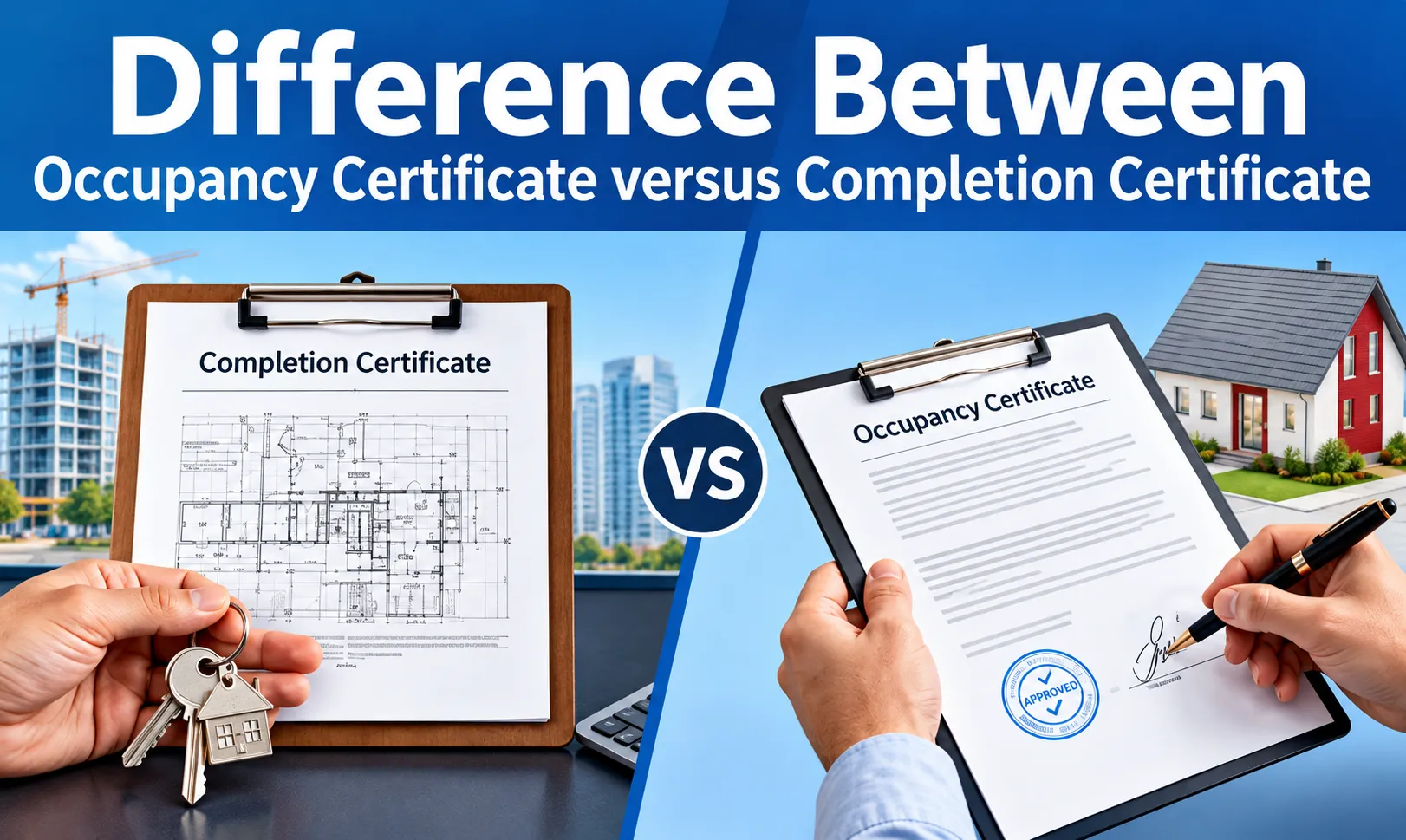
Occupancy Certificate vs. Completion Certificate

Important Checklist for Maintaining Your Apartment in Monsoon

Understanding RERA Before Buying Property For Home Buyers.

How to Finance Your Luxury Apartment Purchase in 2026?