Buying a property is one of the biggest financial decisions you'll make, and ensuring your investment is legally secure is just as important as choosing the right location. Before the introduction of the Real Estate (Regulation and Development) Act, 2016 (RERA), many homebuyers faced challenges such as delayed possession, misleading advertisements, hidden charges, poor construction quality, and limited legal protection. RERA was introduced to address these issues by bringing greater transparency, accountability, and fairness to India's real estate sector.
Today, RERA is mandatory for eligible residential and commercial projects across India. Developers must register qualifying projects with their respective state RERA authority before advertising or selling them. During registration, builders are required to submit project approvals, land ownership documents, construction timelines, financial details, and other key information, allowing buyers to verify project authenticity through the official state RERA website.
A RERA-approved project means the development has been registered with the appropriate authority and complies with the regulations prescribed under the Act. Once registered, the developer receives a RERA registration certificate containing essential details such as the project registration number, developer information, and expected completion timeline. This certification gives buyers greater confidence that the project meets legal requirements and follows prescribed construction and financial standards.
The Real Estate (Regulation and Development) Act, 2016 (RERA), is landmark legislation introduced by the Government of India to regulate the real estate sector and protect the interests of homebuyers. It established the Real Estate Regulatory Authority (RERA) in every state and union territory to improve transparency, accountability, and efficiency in residential and commercial real estate transactions.
Before RERA, property buyers often faced delayed project deliveries, misleading advertisements, hidden charges, lack of transparency, and limited legal protection. To address these challenges, the act made it mandatory for eligible real estate projects to be registered with the respective state RERA authority before developers can advertise or sell them. Each state operates its own official RERA portal, allowing buyers to verify registered projects, developers, approvals, and project progress.
Under the Act, developers and real estate agents must comply with strict legal, financial, and construction standards. Builders are required to disclose important project information, including approved plans, land ownership details, construction timelines, financial records, and regulatory approvals. RERA also mandates that 70% of the funds collected from buyers be deposited into a separate escrow account, ensuring the money is used only for the construction and development of that specific project, thereby reducing the risk of fund diversion and project delays.
Buying a RERA-approved property offers greater legal security, transparency, and peace of mind. It ensures that the project complies with the regulations laid down under the Real Estate (Regulation and Development) Act, 2016, helping buyers make informed and risk-free investment decisions.
Verifying a property's RERA registration is one of the most important steps before buying a home or investing in real estate. It helps you confirm that the project is legally registered, approved by the relevant authority, and complies with RERA regulations. Follow these simple steps to check a property's RERA registration.
Go to the official RERA website where the property is located. Every state in India has its own RERA portal where registered projects and developers can be verified.
Enter the project name and builder's name in the search option or the RERA registration number. This will display the matching registered projects and developer information.
Check whether the RERA registration number is valid and review important project details such as the developer's name, project location, registration validity, and approved project specifications.
Carefully examine the project's construction status, government approvals, completion timeline, layout plans, and uploaded legal documents. Reviewing these details helps ensure the project is genuine and complies with RERA guidelines before making your investment.
Before purchasing a luxury apartment , it's important to verify all essential legal documents to avoid future disputes and ensure a safe investment. These documents confirm the property's ownership, approvals, and legal status. Here are the key documents every homebuyer should check.
The title deed proves who legally owns the property. Make sure the seller has a clear and marketable title. Verify that there are no ownership disputes.
The Sale Agreement outlines the terms and conditions between the buyer and seller. It includes the sale price, payment schedule, and possession date. Read every clause carefully before signing.
Check whether the building plan has been approved by the local authority. This ensures the construction follows government regulations. Avoid properties with unauthorized construction.
Verify documents that confirm the ownership of the land on which the property is built. These records help ensure the land is legally owned. Always cross-check the ownership details.
An Encumbrance Certificate confirms that the property is free from legal or financial liabilities. It shows whether any loans or claims exist against the property. This document is essential for a secure purchase.
The Occupancy Certificate is issued after the building is ready for occupation. It confirms that the property complies with approved plans and safety standards. A valid OC is important before moving in.
The Completion Certificate certifies that the construction has been completed according to the approved building plan. It is issued by the local authority after inspection. This document confirms the project's completion.
The RERA Registration Certificate confirms that the project is registered under the Real Estate Regulatory Authority. It improves transparency and protects homebuyers. Always verify the registration number on the official RERA website.
Ensure the builder has obtained all required No Objection Certificates (NOCs) and government approvals. These may include environmental, fire safety, and utility clearances. Proper approvals indicate legal compliance.
If reputed banks have approved home loans for the project, it indicates that the property's legal documents have undergone preliminary verification. However, buyers should still perform their own document checks. Bank approval should be considered an additional assurance, not the only verification.
RERA has significantly improved transparency and accountability in the real estate sector, but it does not eliminate every risk associated with buying property. Homebuyers should understand its limitations and carry out their own due diligence before making a purchase.
In general, RERA does not regulate transactions involving resale properties between individual buyers and sellers, as it primarily applies to registered real estate projects developed by promoters.
Projects where the land area does not exceed 500 square metres or the number of apartments does not exceed eight may be exempt from RERA registration, unless a state has prescribed stricter requirements.
RERA does not guarantee that a property's value will increase over time. Market appreciation depends on location, infrastructure, demand, and overall economic conditions.
RERA does not promise rental income, resale profits, or any specific return on investment. Buyers should assess investment potential independently.
RERA cannot replace a buyer's responsibility to verify legal documents, assess financial capacity, inspect the property, and make informed purchasing decisions.
Purchasing a premium flat, villa or apartment that should have been registered under RERA but is not can expose buyers to additional risks and fewer legal protections.
An unregistered project may indicate non-compliance with applicable RERA regulations, increasing the risk of legal and regulatory issues.
Without RERA registration, buyers may not receive the transparency, disclosures, and protections that registered projects are required to provide.
If a project is not covered by RERA, buyers generally cannot pursue remedies under the RERA framework and may need to rely on other legal avenues, depending on the circumstances.
RERA provides a structured mechanism for homebuyers to raise grievances against developers, promoters, or real estate agents covered under the Act.
A buyer can file a complaint if there are issues such as project delays, false advertisements, violation of the agreement, poor construction quality, or non-compliance with RERA provisions.
Most state RERA authorities allow complaints to be filed online through their official portals. Buyers typically need to submit supporting documents, complaint details, and the prescribed fee.
RERA aims to resolve complaints as efficiently as possible. Under the Act, the Authority or Adjudicating Officer should endeavor to dispose of complaints within 60 days, although actual timelines may vary depending on the case and state.
The Real Estate (Regulation and Development) Act, 2016 is a central law, but each state and Union Territory establishes its own RERA authority to implement and administer it.
Each State RERA registers projects and agents, monitors compliance, publishes project information, and handles buyer complaints within its jurisdiction.
While the central Act provides the legal framework, states may issue their own rules and procedures for implementation, resulting in some administrative differences.
Homebuyers should always verify project details using the official RERA website of the state where the property is located before making a purchase.
Several misconceptions exist about what RERA can and cannot do. Understanding the facts helps buyers make better decisions.
No. RERA promotes timely completion and provides legal remedies for delays, but it does not guarantee that every project will be completed on time.
No. RERA improves transparency and accountability, but buyers should still verify documents, conduct due diligence, and evaluate the developer before investing.
RERA generally applies to ongoing and new projects that require registration. A genuinely completed project that already received a Completion Certificate (CC) before RERA registration became applicable is generally outside its registration requirement, though state-specific circumstances may apply.
No. RERA generally does not regulate resale transactions between individual buyers and sellers, as these transactions are outside the scope of project registration under the Act.
Understanding RERA before buying property helps you make a secure and well-informed investment by ensuring transparency, legal compliance, timely project delivery, and protection against fraud. Choosing a RERA-approved project reduces risks and gives you confidence to buy properties you want. If you're planning to invest in RERA-approved apartments in Thrissur, Adora Homes offers thoughtfully designed 2 & 3 BHK luxury apartments backed by over 8 years of experience, quality construction, and complete transparency.
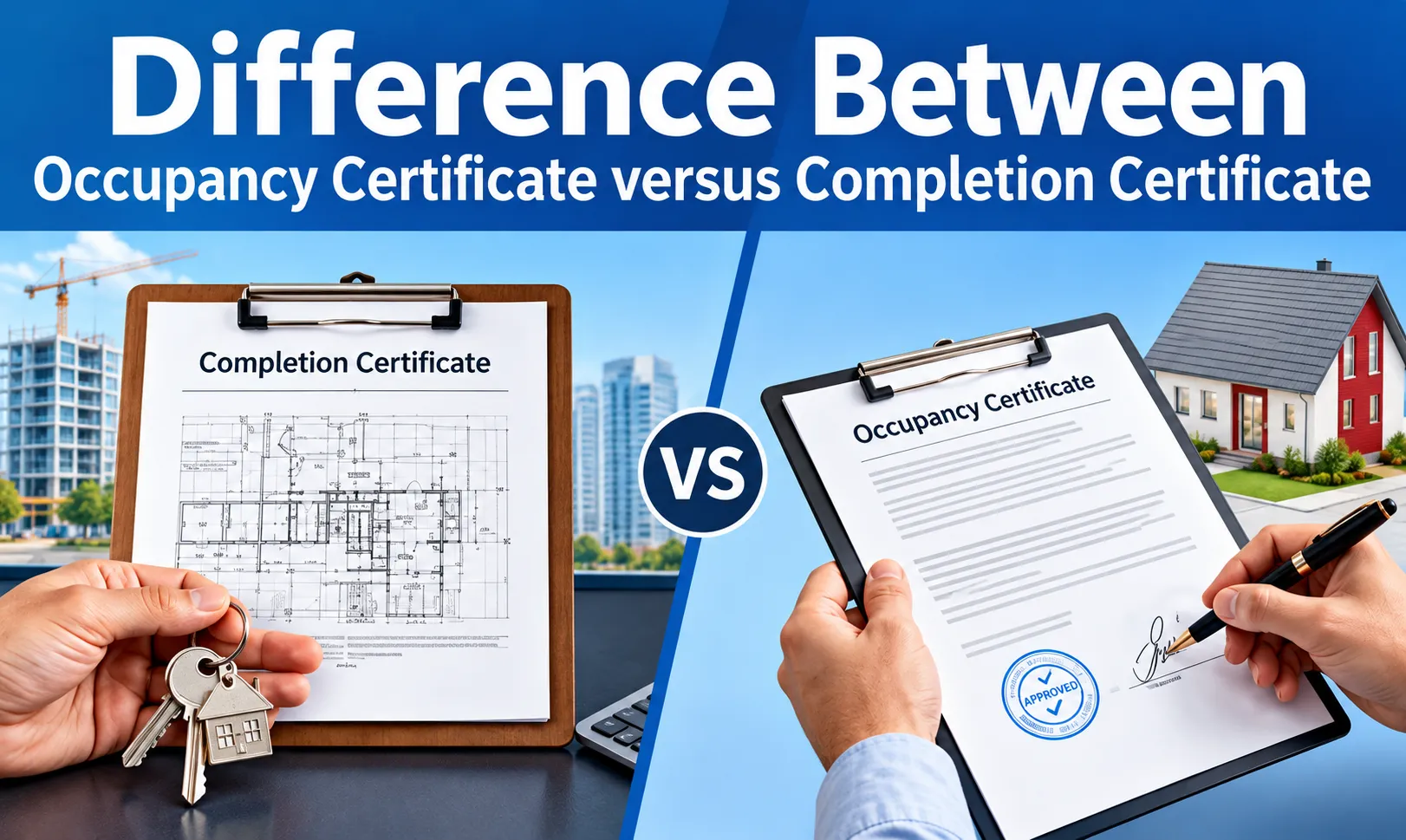
Occupancy Certificate vs. Completion Certificate: Key Differences

Important Checklist for Maintaining Your Apartment in Monsoon

How to Finance Your Luxury Apartment Purchase in 2026?

How AI Is Used in Real Estate Today